Training Modules
Common IDs & Safety Features
The following section provides you with a more detailed understanding of the safety features present in the most commonly used form of identification in Ontario - the Ontario’s Driver’s Licence.
Ontario’s Driver’s Licence
The most common form of identification used in Ontario for age verification is the Ontario’s Driver’s Licence. Because it is used with such regularity, it warrants highlighting some of its specific safety features.
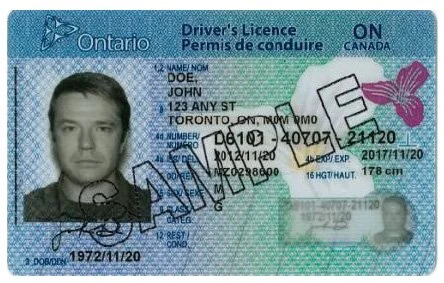
This picture shows an example of the Ontario Driver’s Licence, with the 5 most common methods for validating an ID labelled with numbers. Below, we outline each of those features, and give an explanation as to what the image is highlighting:
Raised Security Features: Look out for features like raised laser-engraved photos and signatures.
Ontario Photo Licence
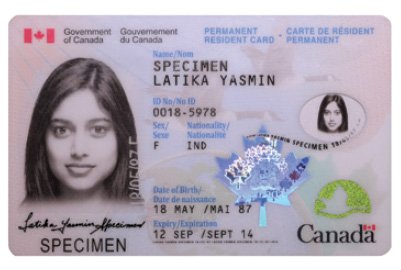
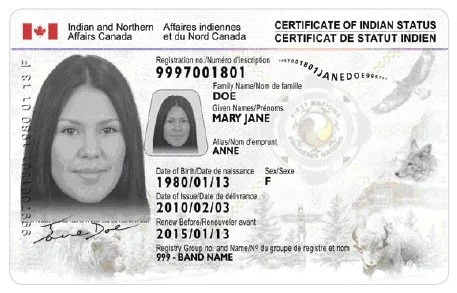
Canadian Permanent Resident Card
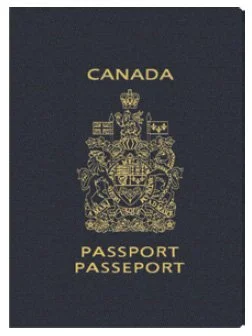
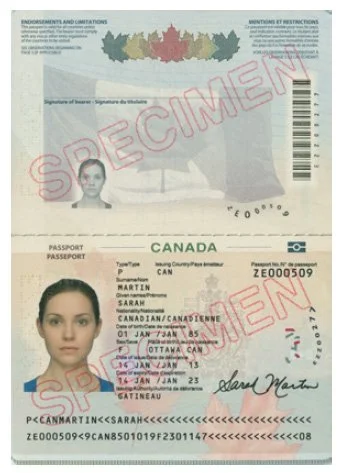
Canadian Passport; Cover and Identification Page
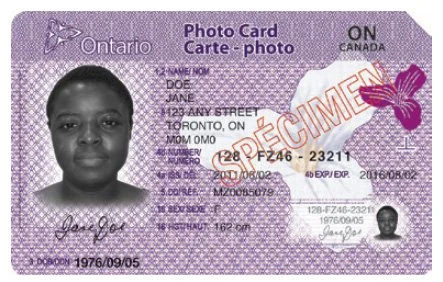
Indian Status Card
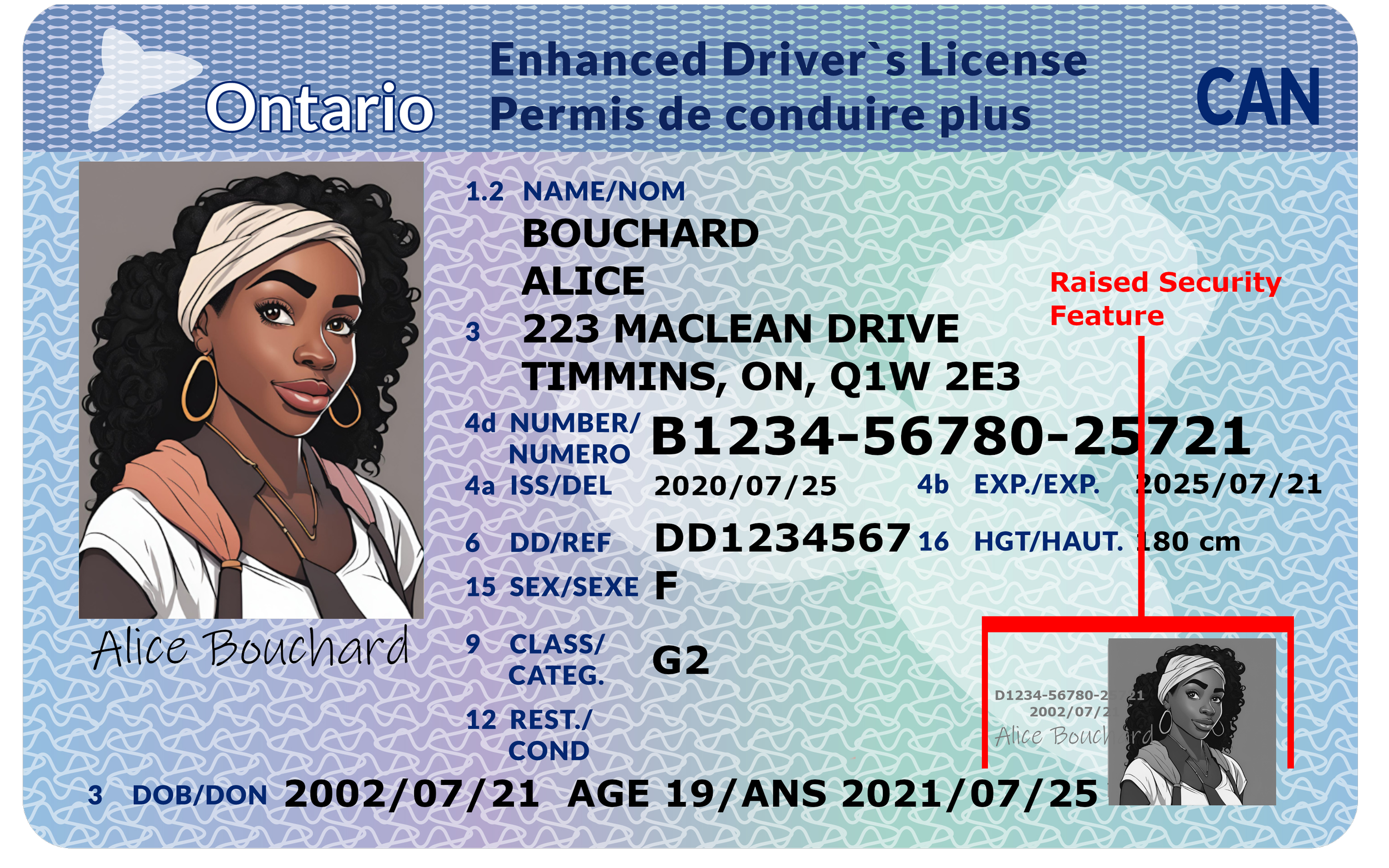
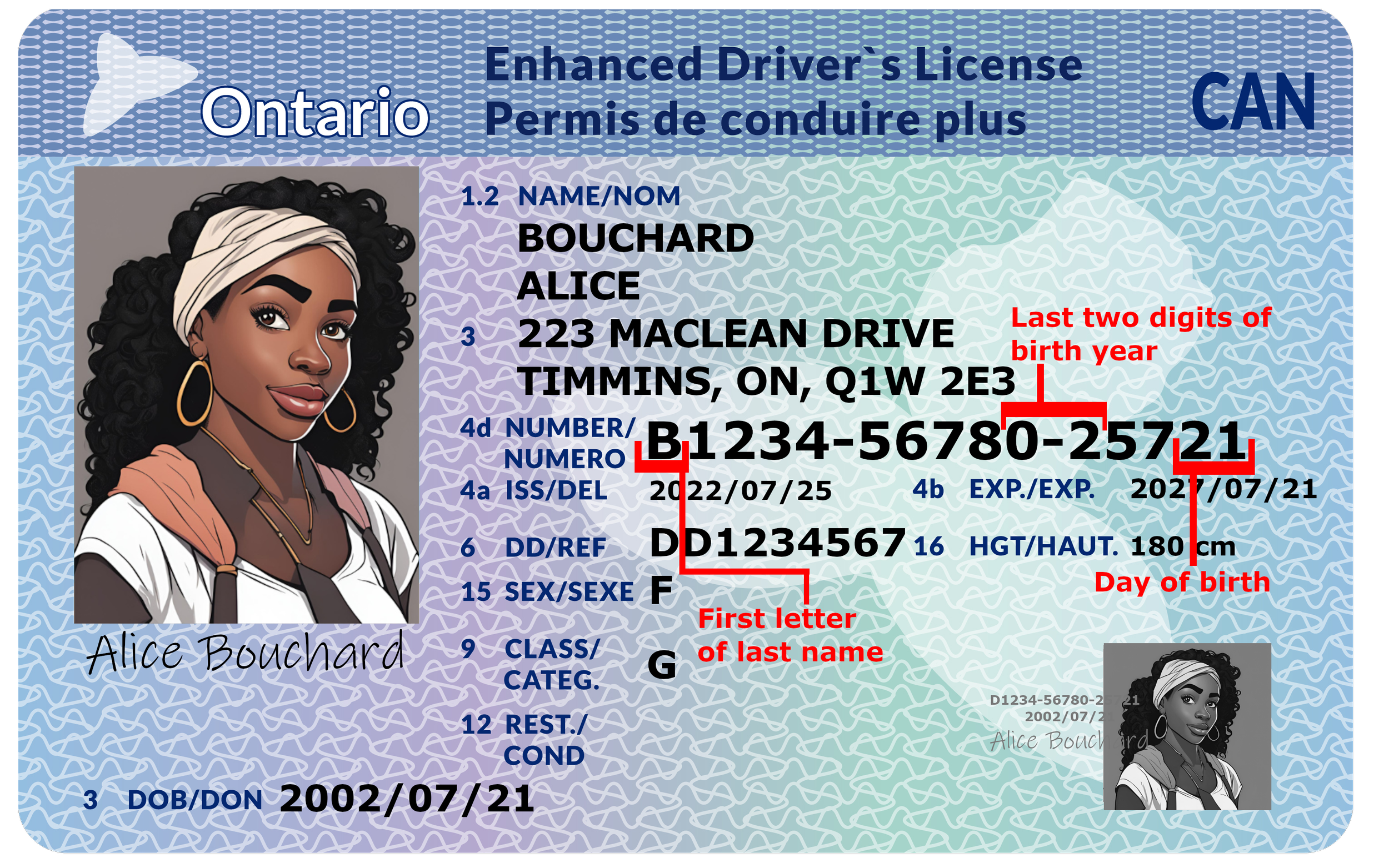
Unique Licence Number: Each licence number starts with the first letter of the licence holder’s last name, and includes numbers reflecting their date of birth: the 9th and 10th digits signify their birth year, and the last two digits indicate their birthday. The letters on the driver’s licence number and date of birth are raised, and can be felt when touched.
Below are additional forms of identification that you may encounter:
Ontario’s Driver’s Licence
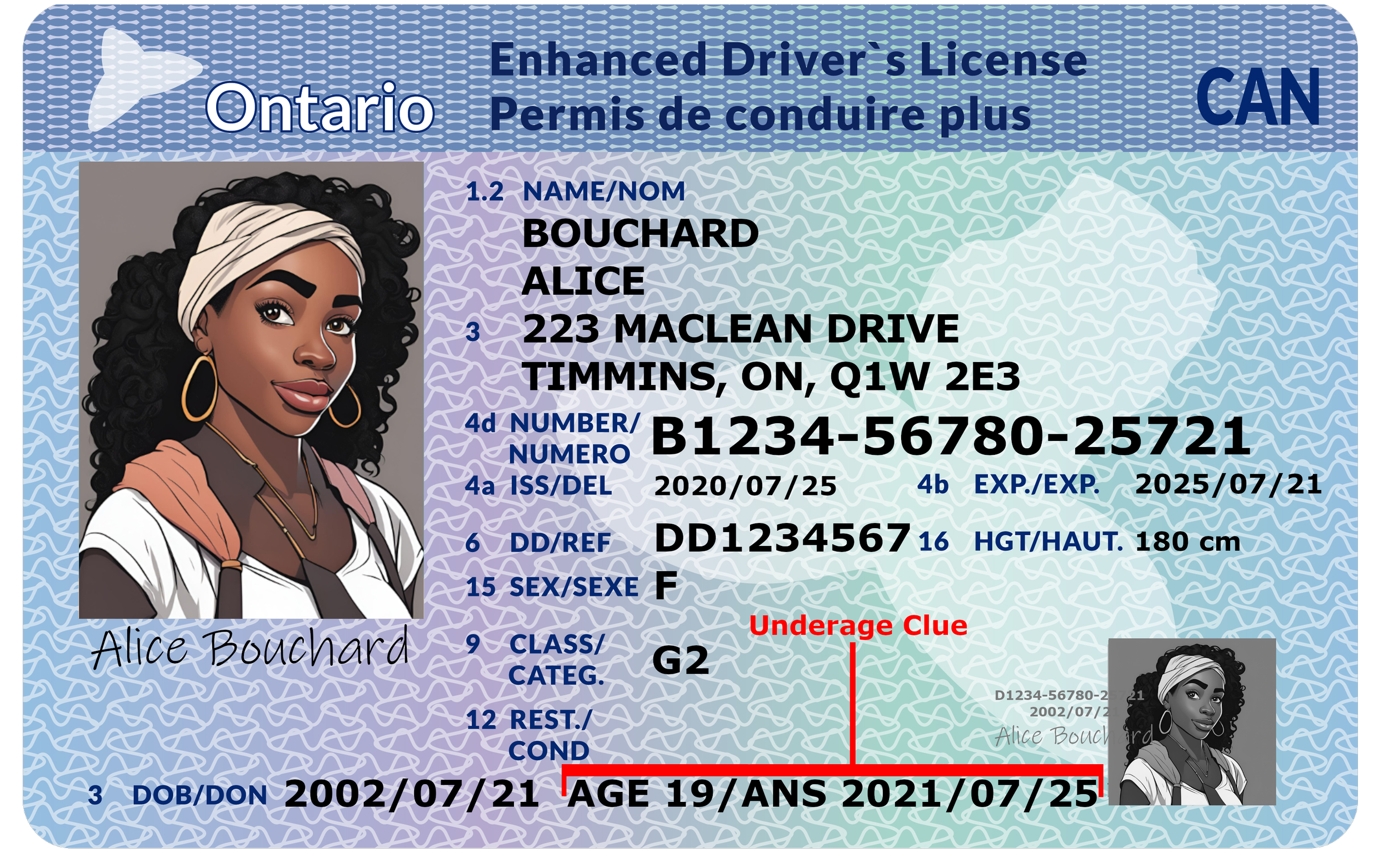
Underage Clue: IDs for 16 to 18-year-olds sport an “AGE 19” banner, hinting that when they will turn 19, found near their birthdate.
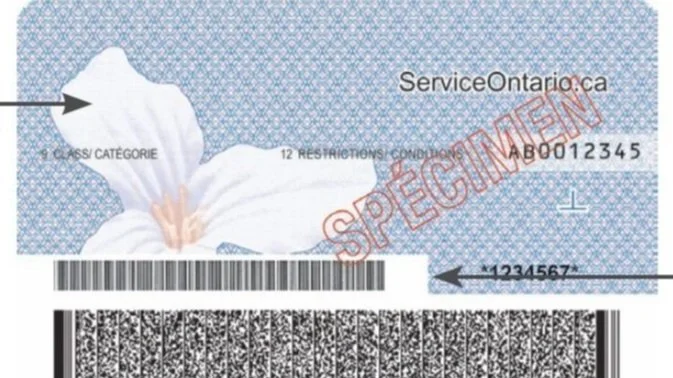
Elements on the back of Driver’s Licence:
Ontario logo & UV elements: The Ontario logo appears in a fine line on the background, with micro and rainbow printing, and UV elements.
Machine readable barcode: The small barcode on the back of the card contains licensee-related data, including age.