Training Modules
Alcohol Aisle & Access
In this section, you will learn about some of the rules related to where alcohol can be located in the store, and common methods for restricting the sale of alcohol outside the permissible hours of sale.
In the aisle
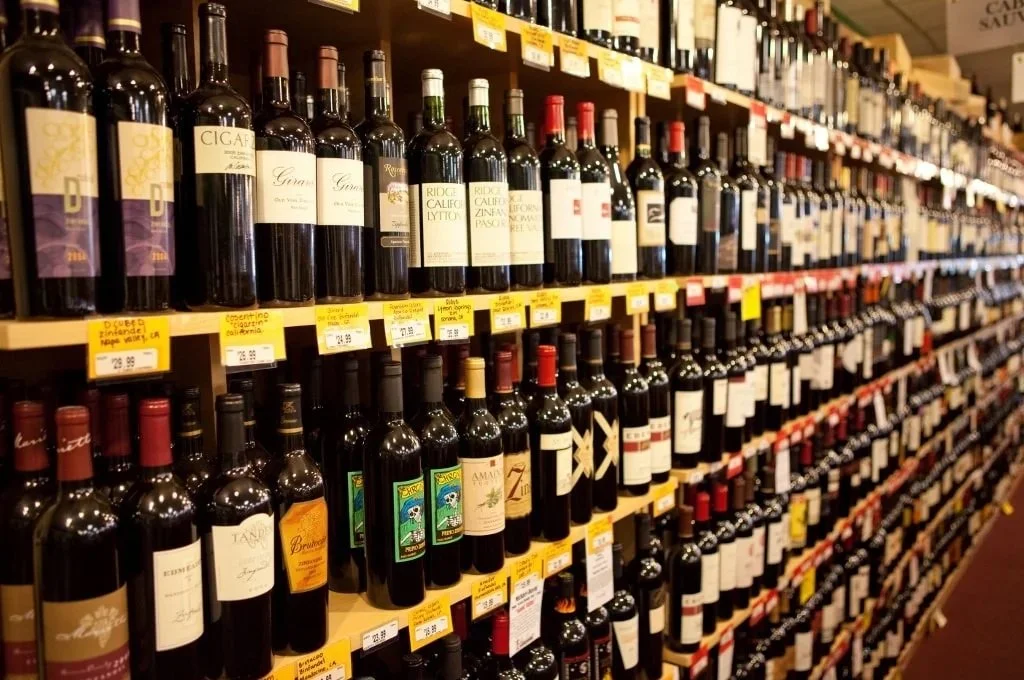
Grocery store and convenience store licensees are required to keep all available alcohol grouped together in a single contiguous display area. This means you cannot have multiple separate sections for beer in different areas of the store (including temporary promotional displays). For instance, if you wish to set up an end-cap display promoting a specific beer with another item such as chips, it must be positioned adjacent to the beer aisle to maintain the continuity of the alcohol display. Further, alcohol cannot be displayed alongside energy drinks or other products that encourage immoderate alcohol consumption.
Aside from these products, other products may be displayed within the contiguous product display areas if they are displayed for the purpose of cross-promotion with liquor. For example, an aisle could display wine beside sangria mix, with more wine thereafter if there is a promotion linking the sangria mix to the wine purchase. However, even if other products are displayed for the purposes of cross promotion, all liquor must be displayed in a single contiguous product display area
Until September 5, 2024, the above requirements temporarily do not apply – however, the licensee must still ensure that energy drinks and products that promote the immoderate consumption of liquor are not displayed in close proximity to liquor.
Access to Alcohol
Because retailers need to ensure that alcohol is not available to customers outside the permissible hours of sale, it is strongly recommended that your retail point-of sale system lock the sale of alcohol outside those hours. For stores open outside the permissible hours of sale, such as 24-hour convenience stores, it is also recommended to adopt further measures restricting access such as roping off or otherwise creating a partition around the alcohol section, locking the refrigerators where alcohol is located, or closing the section’s doors.
Storage
Grocery store licensees and convenience store licensees are required to provide a secure storage area that is not accessible to patrons for the following liquor:
Liquor that is not on display for sale
Liquor that has been purchased online by a customer but has not yet been picked up.